
Corneal transplant surgery in Nashik (Keratoplasty )
Restore Clear Vision with Advanced Corneal Transplant Care
The cornea is the transparent front layer of the eye that plays a vital role in focusing light and providing clear vision. When the cornea becomes damaged due to injury, infection, scarring, or disease, vision can become significantly impaired. In such cases, Corneal transplant surgery in Nashik, also known as Corneal Transplant Surgery, may be an effective treatment option to restore vision and improve quality of life.
At Shriram Eye Hospital, Nashik, we are proud to be a Government-Approved Corneal Transplant Centre, offering advanced Corneal transplant surgery in Nashik under the expert guidance of Dr. Arpit Shah.
What is Keratoplasty?
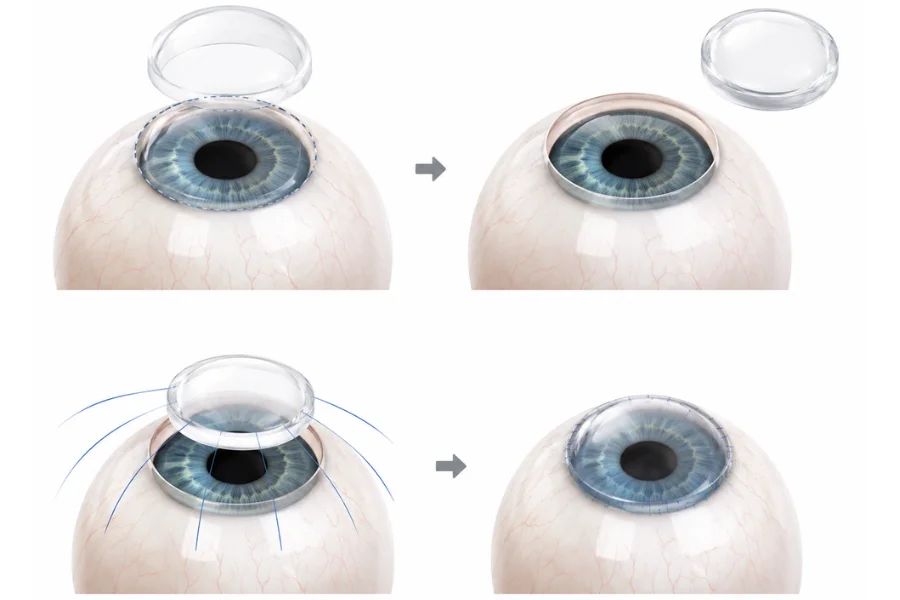
Keratoplasty, commonly known as a corneal transplant, is a surgical procedure in which damaged or diseased corneal tissue is replaced with healthy donor corneal tissue. Corneal transplant surgery in Nashik helps restore vision, reduce discomfort, and improve the overall health of the eye.
Depending on the condition, either the entire cornea or only the affected layers may be replaced.
Who May Need Keratoplasty?
Corneal transplant surgery in Nashik may be recommended for patients with:
- Corneal scarring due to injury or infection
- Keratoconus
- Corneal ulcers
- Corneal degeneration
- Failed previous corneal transplant
- Corneal dystrophies
- Vision loss caused by corneal damage
Symptoms That May Indicate Corneal Damage
You should consult an eye specialist if you experience:
- Blurred or distorted vision
- Increased sensitivity to light
- Eye pain or discomfort
- Persistent redness
- Difficulty performing daily activities due to poor vision
- Progressive vision deterioration
Why Choose Shriram Eye Hospitak, Nashik?
As a Government-Approved Corneal transplant surgery in Nashik , we are committed to providing comprehensive corneal care using advanced surgical techniques and modern technology.
Our Strengths
- Expert care by Dr. Arpit Shah
- Advanced corneal diagnostic facilities
- Government-approved corneal transplant services
- Personalized treatment plans
- Comprehensive pre-operative and post-operative care
- Focus on patient safety and long-term outcomes
Benefits of Keratoplasty
-
Improved visual clarity
-
Reduced eye discomfort
-
Enhanced quality of life
-
Better ability to perform daily activities
-
Long-term restoration of corneal function
Recovery After Corneal transplant surgery in Nashik
As a Government-Approved Corneal Transplant Centre, we are committed to providing comprehensive corneal care using advanced surgical techniques and modern technology.
Our Strengths
- Expert care by Dr. Arpit Shah
- Advanced corneal diagnostic facilities
- Government-approved corneal transplant services
- Personalized treatment plans
- Comprehensive pre-operative and post-operative care
- Focus on patient safety and long-term outcomes
Consult For Corneal transplant surgery in Nashik
If you are experiencing vision problems due to corneal disease or damage, early evaluation can make a significant difference in protecting your eyesight.
Consult Dr. Arpit Shah at Shriram Eye Hospital, Nashik, a trusted Government-Approved Corneal Transplant Centre, for expert evaluation and advanced Corneal Transplant Surgery in Nashik. Learn whether Keratoplasty is the right treatment option for you and take the first step toward clearer vision.
Frequently Asked Questions
No. Vision usually improves gradually over several weeks to months as the transplanted cornea heals. The final visual outcome depends on the underlying eye condition, the healing process, and whether additional glasses or contact lenses are needed after recovery.
Although the cornea has a lower risk of rejection compared to many other transplanted organs, rejection can still occur. Warning signs include redness, pain, blurred vision, and increased sensitivity to light. Prompt treatment by an ophthalmologist can often reverse rejection if detected early.
A successful keratoplasty can last for many years, and in many patients, the transplanted cornea remains healthy for decades. The longevity of the graft depends on factors such as the reason for the transplant, eye health, adherence to prescribed medications, and regular follow-up visits with your eye specialist.
